
Most decisions that hurt a business — a lease, a hire, a new site, a price change — are made on a feeling because building the numbers looked like too much work. A good financial model turns that feeling into a range you can defend.
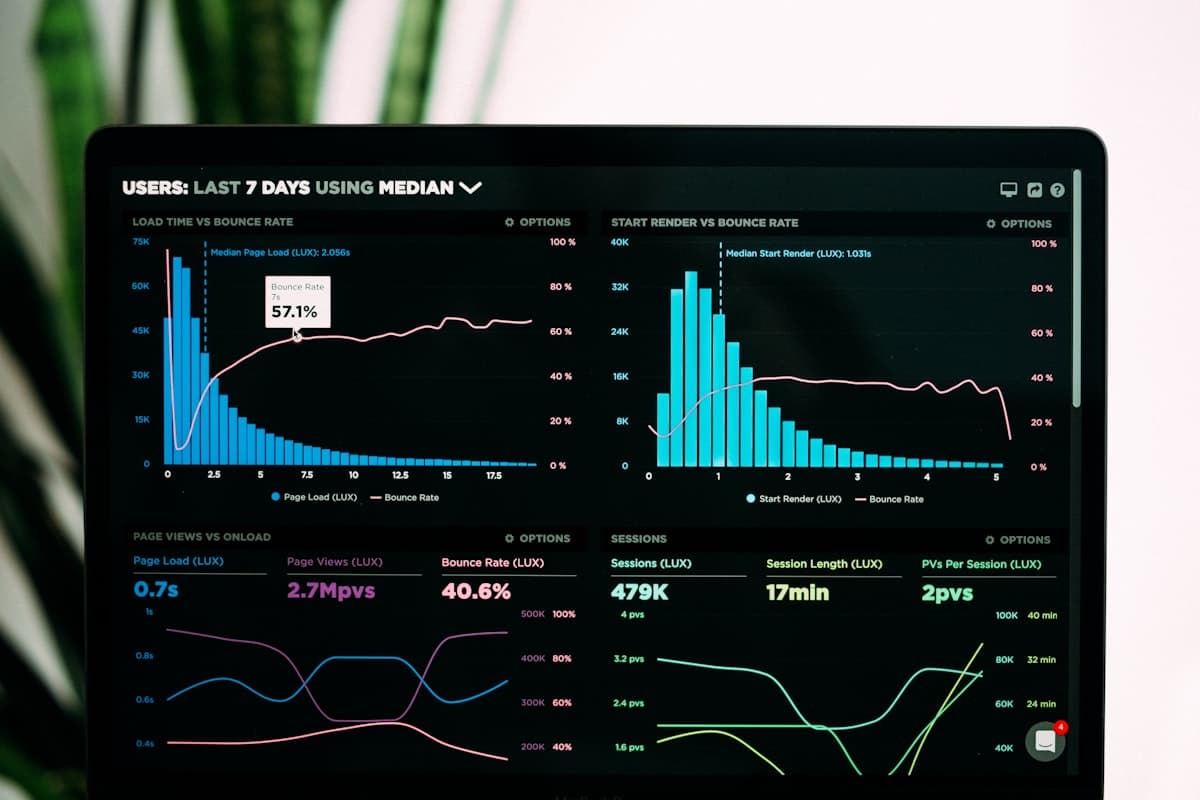
Built on your drivers, not generic templates
We start by working out what actually moves your result: billable hours, average order value, occupancy, conversion rate, cost per unit. The model is then built from those inputs, so changing an assumption flows through revenue, margin, cash and headcount automatically.
Three-way forecasting
Profit and loss, balance sheet and cash flow, linked and reconciling. Profitable businesses fail on cash, and a P&L on its own will not warn you — a three-way model shows you the month things get tight while there is still time to act.
Scenarios and sensitivity
Base case, downside, upside. We stress the assumptions that matter most so you know which lever breaks the plan first and how much room you actually have before it does.
Ready for the people you need to convince
If the model is going to a bank, an investor or a board, we build it to be reviewed — documented assumptions, no hard-coded numbers buried in formulas, and a summary page that answers the questions you will be asked.